AI Innovations in Supply Chains

As businesses navigate the complexities of modern supply chains, the transformative power of artificial intelligence is becoming increasingly clear. By leveraging AI technologies, companies can enhance efficiency and foster collaboration, ultimately driving sustainable growth.
What You Will Learn
- AI enhances supply chain management by enabling data-driven decisions for improved demand forecasting and inventory optimization.
- Key technologies such as Machine Learning, Predictive Analytics, and Robotics Process Automation play vital roles in streamlining operations.
- Integrating IoT and Blockchain provides real-time visibility, enabling agile responses to disruptions in the supply chain.
- Human-AI collaboration is essential for nuanced decision-making, maximizing the strengths of both technology and human insight.
- Establishing performance metrics is crucial for measuring AI success and understanding its ROI across supply chain processes.
AI's Impact on Supply Chain Management: Key Trends & ROI
This visual summarizes the key technologies, trends, and quantifiable outcomes reshaping supply chain management through AI.
Key AI Technologies for Supply Chain
- • Machine Learning: Demand forecasting
- • Predictive Analytics: Anticipate future trends
- • RPA: Automate repetitive tasks
- • Deep Learning & NLP: Pattern analysis, customer inquiries
Driving Data-Driven Decisions
Current Trends (2025)
- • AI-Driven Optimization: Enhanced efficiency & predictability
- • IoT Integration: Real-time inventory & shipment data
- • Blockchain: Secure & transparent transactions
- • Automation & Robotics: Reduce labor, improve accuracy
Real-Time Visibility & Agility
Quantifiable ROI of AI Investments
- • Operational Efficiency: Increased productivity
- • Cost Reduction: Up to 30% in logistics costs (Year 1)
- • Customer Satisfaction: Enhanced experiences
- • Decision-Making: Improved accuracy
Tangible Business Benefits
Building Agility & Resilience
- • Adaptability: Continuous learning, scalable tech
- • Human-AI Collaboration: Enhanced efficiency & nuanced decisions
- • Data-Driven Decisions: Respond swiftly to changes
- • Proactive Risk Management: Identify disruptions early
Future-Proofing Strategies
Transformative Impact of AI on Supply Chain Management
At Positive About AI, we’re excited to explore how artificial intelligence (AI) is revolutionizing supply chain management. AI is no longer just a buzzword; it's a game changer that enhances efficiency and creates opportunities for growth. As we dive into this topic, let’s look at the emerging technologies that are shaping the future of supply chains.
Understanding Emerging AI Technologies in Supply Chain
Defining AI's Role in Supply Chain Management
AI's role in supply chain management is multifaceted, enabling companies to make data-driven decisions with greater accuracy. By leveraging AI, businesses can predict demand fluctuations, optimize inventory levels, and improve supplier relationships. The goal is to create a more responsive and agile supply chain that can adapt to changing market conditions. The Defense Logistics Agency highlights how the utilization of AI can illuminate supply chain risks, further emphasizing its critical role.
In my journey advocating for ethical AI adoption, I've seen firsthand how organizations that embrace this technology can not only streamline operations but also foster a spirit of collaboration across teams. It's about empowering people with the right tools to make informed decisions.
Key Technologies: Machine Learning, Predictive Analytics, and More
- Machine Learning: This technology allows systems to learn from data and improve over time, enhancing tasks like demand forecasting.
- Predictive Analytics: By analyzing historical data, businesses can anticipate future trends and make proactive decisions.
- Robotics Process Automation (RPA): Automating repetitive tasks boosts efficiency and reduces error rates.
These technologies are just the tip of the iceberg, but they exemplify how AI can lead to smarter supply chain strategies. As we continue to integrate these tools, the potential for innovation expands.
Exploring Deep Learning and Natural Language Processing in Supply Chains
Deep learning and Natural Language Processing (NLP) are making waves in supply chain management. Deep learning can analyze vast datasets to uncover patterns that human analysts might miss, while NLP can interpret and respond to customer inquiries in real-time. This enhances both operational efficiency and customer satisfaction.
Imagine a scenario where an AI-driven chatbot handles customer orders and inquiries, allowing your team to focus on more complex tasks. This level of automation not only saves time but also enhances the overall customer experience!
Current Trends Shaping Supply Chain Management in 2025
AI-Driven Optimization: Enhancing Efficiency and Predictability
As we approach 2025, AI-driven optimization will become a cornerstone of effective supply chain management. Companies are increasingly adopting AI tools to streamline their operations, resulting in improved predictability and responsiveness. This trend is reshaping how businesses plan their logistics and inventory management processes.
With AI, organizations can reduce lead times, minimize waste, and enhance customer satisfaction—ultimately leading to higher profitability.
Integration of IoT and Blockchain for Real-Time Visibility
- Internet of Things (IoT): IoT devices provide real-time data on inventory levels and shipment locations.
- Blockchain Technology: This ensures secure and transparent transactions across the supply chain.
- Data Analytics: The combination of these technologies allows businesses to make agile decisions based on live data.
Integrating IoT and blockchain enables businesses to gain visibility throughout their supply chains. With this newfound clarity, companies can react swiftly to disruptions and optimize their operations effectively. The U.S. Department of State's report on AI and associated technologies further underscores the importance of these integrations for national security and economic resilience.
The Role of Automation and Robotics in Supply Chain Processes
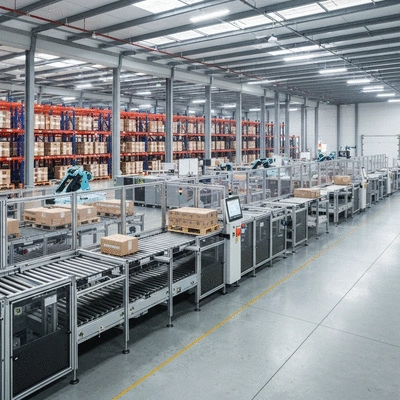
Automation and robotics are reshaping supply chain processes by taking over labor-intensive tasks and improving accuracy. From automated warehousing systems to delivery drones, these technologies are not just trendy; they are practical solutions that drive down costs and enhance operational efficiency.
In my work, I’ve observed how businesses can leverage robotics to free up human resources for more strategic roles. This synergy between humans and machines is critical for future success.
Pro Tip
To maximize your AI investment in supply chain management, consider implementing a pilot program. Start with a manageable segment of your operations, measure the outcomes, and refine your approach based on real data and feedback. This iterative process can uncover valuable insights, ensuring your full-scale rollout is effective and tailored to your organization's needs.
Preparing for the Future of Supply Chain Management
As we look ahead, it's essential to understand how to effectively prepare for the future of supply chain management. This involves assessing the ROI of AI investments and developing strategies that foster resilience and agility. At Positive About AI, we believe that informed planning and adaptability will be key drivers for success in a rapidly evolving landscape.
By evaluating the impact of AI, businesses can not only enhance their operations but also navigate the complexities of modern supply chains. In this section, we'll explore critical factors that will shape the future of supply chains, ensuring that organizations are well-equipped to thrive.
Evaluating the ROI of AI Investments in Supply Chains
Understanding the return on investment (ROI) from AI implementations is crucial for any business considering these technologies. As an advocate for the ethical advancement of AI, I encourage leaders to assess quantifiable outcomes, which often include:
- Increased operational efficiency
- Reduction in costs
- Improved customer satisfaction
- Enhanced decision-making capabilities
These outcomes provide a tangible understanding of the benefits AI can deliver, allowing businesses to make data-driven decisions about their future investments.
Quantifiable Outcomes from AI Implementations
When we delve into the specifics, quantifiable outcomes from AI implementations can be categorized into short-term and long-term benefits. Short-term benefits might include streamlined processes and immediate cost savings, while long-term benefits often focus on strategic advantages like market position and innovation capacity.
For instance, one study showed that companies utilizing AI in their supply chains experienced a 30% reduction in logistics costs within the first year. Such statistics can be compelling when justifying AI investments to stakeholders!
Sector-Specific Insights: Navigating AI in Pharma and Food Industries
Each sector presents unique challenges and opportunities regarding AI adoption. In the pharmaceutical industry, AI helps streamline regulatory compliance, enhancing both speed and accuracy in drug development.
Conversely, in the food industry, AI optimizes supply chain logistics by predicting demand fluctuations, thus minimizing waste while ensuring freshness. Understanding these sector-specific insights can guide businesses in tailoring their AI strategies effectively.

Performance Metrics for Measuring AI Success in Supply Chains
To accurately gauge the success of AI initiatives, organizations should establish clear performance metrics. These metrics may include:
- Cost savings achieved through AI interventions
- Time taken to fulfill orders
- Accuracy of demand forecasts
- Overall customer satisfaction ratings
By tracking these metrics, businesses can continuously refine their AI strategies and demonstrate value to stakeholders.
Building Agility and Resilience in Supply Chains
In an era of rapid technological change, building agility and resilience within supply chains is non-negotiable. By embracing flexibility and adaptability, companies can navigate disruptions and capitalize on new opportunities. Let's discuss how to enhance these qualities! Georgetown University's insights on AI's role in developing resilient supply chains provide further context on this crucial aspect.
Strategies for Adapting to Rapid Technological Changes
To remain competitive, businesses must implement strategies that allow them to quickly adapt to technological advancements. Key strategies include fostering a culture of continuous learning among employees and investing in scalable technologies that can evolve alongside market demands.
Additionally, encouraging cross-departmental collaboration can spur innovation and responsiveness, creating a more agile supply chain.
Importance of Human-AI Collaboration for Future Success
A successful supply chain is characterized by effective collaboration between human intelligence and AI capabilities. This collaboration not only enhances efficiency but also allows for more nuanced decision-making processes.
For example, while AI can analyze data trends, human insight is invaluable in interpreting those trends and forming strategic responses. Together, they create a powerful synergy that drives business success!
Utilizing Data-Driven Decisions for Enhanced Supply Chain Agility
Leveraging data for decision-making is vital in cultivating supply chain agility. By utilizing real-time data analytics, organizations can respond swiftly to changes in demand, inventory levels, and market conditions.
Incorporating predictive analytics into everyday operations can help identify potential disruptions before they escalate, allowing companies to proactively manage risks and maintain smooth operations.
Frequently Asked Questions About AI in Supply Chain Management
Q1: How does AI enhance supply chain management?
AI enhances supply chain management by enabling data-driven decisions, improving demand forecasting, optimizing inventory, streamlining operations through automation, and providing real-time visibility with integrated technologies like IoT and Blockchain.
Q2: What are the key AI technologies used in supply chains?
Key AI technologies include Machine Learning for demand forecasting, Predictive Analytics for anticipating trends, Robotics Process Automation (RPA) for automating tasks, Deep Learning for pattern analysis, and Natural Language Processing (NLP) for customer inquiries.
Q3: What role do IoT and Blockchain play in modern supply chains?
IoT provides real-time data on inventory and shipments, while Blockchain ensures secure and transparent transactions. Together, they offer enhanced visibility and agility, allowing companies to react swiftly to disruptions.
Q4: What are the quantifiable benefits of AI investments in supply chains?
Quantifiable benefits include increased operational efficiency, significant cost reductions (e.g., up to 30% in logistics costs), improved customer satisfaction, and more accurate decision-making capabilities.
Q5: Why is human-AI collaboration important for supply chain success?
Human-AI collaboration is crucial because it combines AI's efficiency in data analysis with human intuition and nuanced decision-making. This synergy leads to better strategic responses and overall business success.
Recap of Key Points
Here is a quick recap of the important points discussed in the article:
- AI enhances supply chain management by enabling data-driven decisions, improving efficiency, and fostering collaboration.
- Key technologies like Machine Learning and Predictive Analytics allow businesses to forecast demand and optimize inventory.
- Integrating IoT and Blockchain provides real-time visibility and ensures secure transactions across the supply chain.
- Automation and robotics are transforming supply chain processes by increasing accuracy and reducing costs.
- Evaluating the ROI of AI investments is crucial for measuring success and justifying future technology adoption.
- Building agility and resilience in supply chains is essential to navigate rapid technological changes and market disruptions.

Elena R. Caldwell
Elena R. Caldwell is a passionate advocate for the ethical advancement of artificial intelligence. With a background in technology journalism and an extensive understanding of emerging AI trends, she is dedicated to showcasing the positive impact of AI across industries. Through her work at Positive About AI, Elena aims to foster a deeper understanding of intelligent technologies, ensuring they are perceived as transparent and empowering tools for the future.
Popular Posts
AI Governance for Business Growth
![How AI Governance Can Drive Competitive Advantage and Innovation]() In an era where technology evolves at breakneck speed, the role of AI governance is more critical th
In an era where technology evolves at breakneck speed, the role of AI governance is more critical th
 In an era where technology evolves at breakneck speed, the role of AI governance is more critical th
AI Technology: Trends and Innovations
![The future of AI technology: Emerging trends and innovations]() As we venture into a future increasingly shaped by artificial intelligence, it’s vital to understa
As we venture into a future increasingly shaped by artificial intelligence, it’s vital to understa
 As we venture into a future increasingly shaped by artificial intelligence, it’s vital to understa
AI in Marketing: Real Success Stories
![The Future of AI in Marketing: Success Stories of AI-Driven Campaigns]() In an age where technology evolves at an unprecedented pace, the integration of artificial intellige
In an age where technology evolves at an unprecedented pace, the integration of artificial intellige
 In an age where technology evolves at an unprecedented pace, the integration of artificial intellige
Implementing AI Responsibly in Business
![Practical Guide to Implementing AI Innovations Responsibly in Your Organization]() In a world where technology is rapidly evolving, the importance of ethical considerations in artific
In a world where technology is rapidly evolving, the importance of ethical considerations in artific
 In a world where technology is rapidly evolving, the importance of ethical considerations in artific
