Ethical AI Resources and Certifications

As we delve into the complexities of ethical AI, consider this: are we truly prepared to embrace technology that reflects our values? The importance of fostering an ethical approach to AI cannot be overstated, as it serves to build trust and accountability in our rapidly evolving digital landscape.
What You Will Learn
- Understanding the foundational principles of ethical AI: fairness, accountability, and transparency.
- The significance of robust governance frameworks to ensure compliance with current and upcoming AI regulations.
- Identifying key roles in the ethical AI job market, including AI ethics consultants and compliance officers.
- Utilizing effective strategies for continuous learning and professional development in the field of ethical AI.
- Gaining insights from industry conferences to refine and enhance practices in ethical AI implementation.
Ethical AI: Key Concepts and Career Pathways
This visual outlines the core principles of Ethical AI and the diverse career opportunities available in this growing field.
Key Concepts of Ethical AI
- 1 Fairness: Algorithms do not discriminate.
- 2 Accountability: Clear responsibility for AI decisions.
- 3 Transparency: AI processes are understandable.
Ethical AI Career Paths
- A AI Ethics Consultant: Advises on ethical frameworks.
- B Compliance Officer: Ensures regulatory adherence.
- C Data Scientist (Ethics Focus): Mitigates bias in data.
- D Policy Analyst: Shapes AI regulations.
Checklist for Ethical AI Career
- Identify Interests: Narrow down your focus.
- Certifications: Pursue IEEE CertifAIEd, AIGP.
- Practical Experience: Seek internships/volunteer.
- Network & Stay Informed: Connect with leaders.
Preparing for 2026 EU AI Act
- 1 Anticipate Changes: Prepare for compliance.
- 2 Stakeholder Engagement: Understand concerns.
- 3 Transparency & Accountability: Develop strategies.
- 4 Training Programs: Equip your team.
Benefits of Ethical AI Certifications
- Increased Employability: Stand out in job market.
- Higher Salary & Advancement: Boost career growth.
- Credibility: Establish yourself as an ethical professional.
Understanding Ethical AI and Its Importance in Today's Workforce
In today's rapidly evolving tech landscape, the concept of ethical AI has become increasingly significant. Ethical AI concerns the development and deployment of artificial intelligence systems that prioritize fairness, accountability, and transparency. At Positive About AI, we believe that fostering an ethical approach to AI is crucial for building trust among both users and stakeholders in various industries.
As AI continues to permeate our daily lives, understanding its ethical implications helps ensure that these technologies serve humanity positively. With the right frameworks in place, we can navigate the challenges AI presents while unlocking its potential for innovation and societal benefit. For a deeper understanding of national AI research and development efforts, refer to the AI Research and Development Progress Report (2020-2024).
Defining Ethical AI: Key Concepts and Frameworks
To grasp the importance of ethical AI, we need to define some key concepts that shape its implementation. These include:
- Fairness: Ensuring algorithms do not discriminate against individuals based on race, gender, or socioeconomic status.
- Accountability: Establishing clear lines of responsibility for AI decisions and outcomes.
- Transparency: Making AI processes understandable and accessible to users and stakeholders.
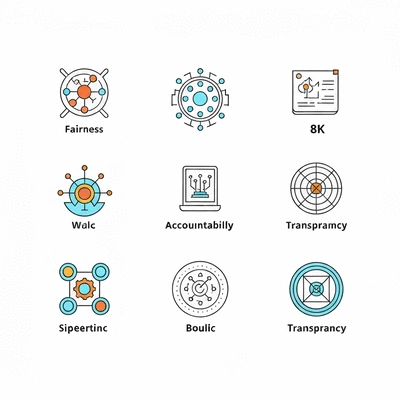
These foundational principles guide organizations as they develop AI technologies, ensuring that they contribute positively to society. By adhering to these frameworks, businesses can not only enhance their operations but also build trust with their customers and the wider community. Further guidance on the ethical use of AI can be found in the NTIA's report on AI governance.
The Impact of AI Ethics on Governance and Compliance
As regulatory bodies worldwide begin to impose stricter regulations on AI usage, ethical considerations become paramount for compliance. Organizations must adopt robust governance frameworks that address ethical AI concerns while meeting legal standards. Failure to do so can lead to significant legal repercussions and damage to reputation.
By proactively addressing ethical AI governance, companies can create a culture of compliance that aligns with their values. This will not only protect them from potential lawsuits but also enhance their brand image as responsible stewards of technology.
Exploring the Ethical AI Frameworks: Key Components and Applications
Various frameworks exist to guide organizations in implementing ethical AI practices. Some key components include:
- Risk Assessment: Regularly evaluating AI systems for potential biases and ethical risks.
- Stakeholder Engagement: Involving multiple stakeholders in the decision-making process to ensure diverse perspectives are considered.
- Continuous Monitoring: Ongoing assessment of AI systems to ensure they remain compliant with ethical standards and societal expectations.
These components are essential for organizations striving to make responsible AI decisions. By applying these ethical frameworks, businesses can cultivate trust and foster positive relationships with their customers, ultimately leading to better outcomes for everyone involved. The UNESCO Recommendation on the Ethics of Artificial Intelligence provides a comprehensive global standard for ethical AI.
Pro Tip
To truly excel in the field of ethical AI, focus on cultivating a multidisciplinary skill set. Understanding not only the technical aspects of AI but also the ethical implications and socio-political context can set you apart. Engage with professionals from diverse backgrounds, such as law, sociology, and data science, to gain a well-rounded perspective that enhances your contributions to ethical AI practices.
Pathways to Career Advancement in Ethical AI
Embarking on a career in ethical AI opens up a myriad of opportunities. As the demand for professionals who can navigate the complexities of AI ethics continues to grow, understanding the career trajectories available is essential. From compliance officers to AI ethics consultants, there are diverse roles that cater to various skill sets and interests.
In my journey at Positive About AI, I've seen firsthand how individuals with ethical AI expertise are becoming invaluable assets in organizations. They help bridge the gap between technology and ethical governance, ensuring responsible AI practices are at the forefront of innovation.
Understanding the Career Trajectories for Ethical AI Professionals
As you consider a career in ethical AI, it’s crucial to grasp the potential paths you can take. Here are a few common roles that professionals gravitate toward:
- AI Ethics Consultant: Specializing in advising organizations on implementing ethical AI frameworks and practices.
- Compliance Officer: Ensuring organizations meet regulatory requirements surrounding AI technologies.
- Data Scientist with an Ethics Focus: Analyzing data while prioritizing ethical considerations and bias mitigation.
- Policy Analyst: Working at the intersection of technology and policy, helping shape regulations around AI.
- AI Project Manager: Overseeing projects that incorporate ethical guidelines into AI development.
Each of these roles plays a significant part in fostering a more ethical and responsible approach to AI across industries. As I often remind my readers, understanding where you fit within this landscape is the first step towards a fulfilling career.
Creating a Downloadable Checklist for the Ethical AI Career Path
To assist aspiring professionals, I’ve developed a comprehensive checklist that outlines essential steps toward a successful career in ethical AI. This guide aims to streamline your path and ensure you don’t miss any critical milestones:
- Identify Your Interests: Narrow down which aspect of ethical AI excites you the most.
- Obtain Relevant Certifications: Pursue certifications like IEEE CertifAIEd or AIGP to enhance your credentials.
- Gain Practical Experience: Seek internships or volunteer opportunities in organizations focused on ethical AI.
- Network with Industry Professionals: Join forums and attend conferences to connect with thought leaders.
- Stay Informed: Regularly read articles, attend webinars, and participate in discussions about AI ethics.
This checklist can be a game-changer for those looking to navigate the complexities of a career in ethical AI! I encourage you to download it and start charting your course.
Engaging with Current Trends and Regulations in Ethical AI
As we move forward, it's essential to stay up-to-date with the latest trends and regulations in ethical AI. The landscape is ever-changing, and being well-informed can set you apart as a leader in the field. Let’s explore some of the critical considerations for the future.
Preparing for the 2026 Regulatory Landscape: Key Considerations
With new regulations on the horizon, particularly in the EU, understanding their implications is vital. Here are key considerations to keep in mind:
- Anticipate changes in compliance requirements and prepare your organization accordingly.
- Stay engaged with stakeholders to understand their concerns and expectations.
- Develop strategies for transparency and accountability in AI practices.
- Invest in training programs to ensure your team is equipped to handle new regulations.

By preparing today, you can not only comply with future regulations but also lead the way in ethical AI practices.
Frequently Asked Questions about the EU AI Act and Compliance
As the EU AI Act approaches, many have questions about its specifics and compliance. Addressing these inquiries is crucial for businesses and professionals alike. Here are some common questions and their answers:
FAQs about Ethical AI
- What are the core principles of ethical AI? The core principles include fairness, accountability, and transparency, ensuring AI systems do not discriminate, clearly define responsibility, and are understandable.
- Why is ethical AI important in today's workforce? Ethical AI builds trust, ensures compliance with regulations, and helps leverage AI for innovation and societal benefit, preventing potential negative impacts.
- What are some common career paths in ethical AI? Common roles include AI Ethics Consultant, Compliance Officer, Data Scientist with an Ethics Focus, and Policy Analyst.
- How can I prepare for the upcoming EU AI Act? Preparation involves anticipating changes in compliance requirements, engaging with stakeholders, developing strategies for transparency and accountability, and investing in team training programs.
- What are the benefits of pursuing ethical AI certifications? Certifications lead to increased employability, potential for higher salaries and career advancement, and establish credibility as a professional dedicated to ethical practices.
- What is the EU AI Act? It's a legislative framework aimed at ensuring AI technologies are used ethically and responsibly.
- Who needs to comply? Organizations deploying AI systems in the EU will be required to follow these regulations.
- What are the penalties for non-compliance? Non-compliance can lead to hefty fines and reputational damage.
Being well-prepared to answer these questions can establish you as a knowledgeable resource in your organization.
Insights from the International Conference on AI and Ethics
Attending conferences on AI and ethics provides a wealth of knowledge and networking opportunities. Insights gathered from industry leaders during such events can shape your understanding of the field. Here are a few takeaways from recent conferences:
- Emphasis on interdisciplinary collaboration to address AI challenges.
- The need for continuous education and training in ethical AI practices.
- Highlighting success stories of ethical AI implementations across various sectors.
These insights not only inspire but also offer practical strategies for integrating ethics into your AI practices.
Final Thoughts on Pursuing Education in Ethical AI
As we conclude, I want to emphasize the importance of pursuing education in ethical AI. It’s not just about certifications; it’s about fostering a mindset that prioritizes ethics in every technological advancement.
Evaluating the Long-Term Benefits of Ethical AI Certifications
Investing in ethical AI certifications can yield significant long-term benefits. They not only enhance your skill set but also open doors to advanced career opportunities. Here’s why you should consider them:
- Increased employability in a competitive job market.
- Potential for higher salary and career advancement.
- Establishing credibility as a professional dedicated to ethical practices.
These benefits can set you apart in an increasingly competitive landscape, making your investment worthwhile.
Encouraging Continuous Learning and Professional Development
In the rapidly evolving field of AI, continuous learning is crucial. Engaging in professional development not only keeps your skills relevant but also demonstrates your commitment to ethical practices. Consider these strategies to foster ongoing growth:
- Participate in workshops and webinars focused on AI ethics.
- Join professional organizations dedicated to advancing AI ethics.
- Read widely about emerging trends and best practices in ethical AI.
By embracing continuous learning, you can stay ahead of the curve and position yourself as a thought leader in the field!
Looking Ahead: The Future of AI Ethics and Its Implications
The future of AI ethics holds great promise, and as we advance, there will be challenges and opportunities to navigate. I encourage you to stay engaged, informed, and proactive in your pursuit of ethical AI. Remember, each step you take contributes to a more trustworthy and responsible AI landscape.
As we foster a community focused on ethical AI, let’s work together to ensure that technology serves as a positive force for everyone!
Recap of Key Points
Here is a quick recap of the important points discussed in the article:
- Understanding Ethical AI: It's crucial to prioritize fairness, accountability, and transparency in AI systems to build trust among users and stakeholders.
- Key Concepts: Fairness, accountability, and transparency are foundational principles that guide ethical AI implementation.
- Governance and Compliance: Organizations must adopt robust frameworks to address ethical AI concerns and comply with legal standards to protect their reputation.
- Career Opportunities: Roles such as AI ethics consultant, compliance officer, and policy analyst are in high demand as ethical AI continues to evolve.
- Continuous Learning: Engaging in ongoing education and networking is essential to stay informed about trends and regulations in ethical AI.

Elena R. Caldwell
Elena R. Caldwell is a passionate advocate for the ethical advancement of artificial intelligence. With a background in technology journalism and an extensive understanding of emerging AI trends, she is dedicated to showcasing the positive impact of AI across industries. Through her work at Positive About AI, Elena aims to foster a deeper understanding of intelligent technologies, ensuring they are perceived as transparent and empowering tools for the future.
Popular Posts
AI Governance for Business Growth
![How AI Governance Can Drive Competitive Advantage and Innovation]() In an era where technology evolves at breakneck speed, the role of AI governance is more critical th
In an era where technology evolves at breakneck speed, the role of AI governance is more critical th
 In an era where technology evolves at breakneck speed, the role of AI governance is more critical th
AI Technology: Trends and Innovations
![The future of AI technology: Emerging trends and innovations]() As we venture into a future increasingly shaped by artificial intelligence, it’s vital to understa
As we venture into a future increasingly shaped by artificial intelligence, it’s vital to understa
 As we venture into a future increasingly shaped by artificial intelligence, it’s vital to understa
AI in Marketing: Real Success Stories
![The Future of AI in Marketing: Success Stories of AI-Driven Campaigns]() In an age where technology evolves at an unprecedented pace, the integration of artificial intellige
In an age where technology evolves at an unprecedented pace, the integration of artificial intellige
 In an age where technology evolves at an unprecedented pace, the integration of artificial intellige
Implementing AI Responsibly in Business
![Practical Guide to Implementing AI Innovations Responsibly in Your Organization]() In a world where technology is rapidly evolving, the importance of ethical considerations in artific
In a world where technology is rapidly evolving, the importance of ethical considerations in artific
 In a world where technology is rapidly evolving, the importance of ethical considerations in artific
