AI Transformations in Supply Chain

AI Success Stories in Supply Chain Management: Efficiency and Optimization

As the landscape of supply chain management evolves, the integration of artificial intelligence is not just a trend; it's a necessity. With AI's potential to enhance operational performance, the question becomes: how will your business adapt to leverage these transformative technologies?

What You Will Learn

  • AI enhances efficiency through automation, real-time data analysis, and improved visibility across supply chains.
  • Key benefits of AI optimization include reduced operational costs, improved customer satisfaction, and enhanced forecasting accuracy.
  • Machine learning allows businesses to anticipate demand fluctuations and identify potential disruptions proactively.
  • Establishing key performance indicators (KPIs) is crucial for measuring the success of AI initiatives in supply chain management.
  • Integrating AI with legacy systems requires a thoughtful approach, including assessing current capabilities and engaging stakeholders.
  • Adopting a gradual approach to AI implementation helps businesses monitor progress and adjust strategies effectively.
  • Fostering collaboration with suppliers can improve processes and create a feedback loop for continuous enhancements.

Key AI Applications & Benefits in Supply Chains

This visual illustrates the core applications of AI and their resulting benefits, along with key performance indicators for measuring success in supply chain management.

AI in Enhancing Efficiency

  • Automation of routine processes
  • Real-time data analysis
  • Enhanced supply chain visibility

Benefits of AI Optimization

  • Reduced operational costs
  • Improved customer satisfaction
  • Enhanced forecasting accuracy

Machine Learning for Predictive Analytics

  • Anticipate demand fluctuations
  • Identify potential disruptions
  • Optimize logistics and distribution

Key Performance Indicators (KPIs)

  • Order Fulfillment Rate
  • Inventory Turnover
  • Cost per Order
  • Lead Time

Understanding the Impact of AI in Supply Chain Management

As we witness the rapid evolution of artificial intelligence, its integration into supply chain management is transforming industries at an unprecedented pace. AI technologies are not just enhancing efficiency; they are revolutionizing how businesses operate. By leveraging AI, companies can streamline processes, reduce costs, and improve overall supply chain performance.

In this section, we will explore the pivotal role AI plays in enhancing efficiency, uncover key benefits of AI optimization, and discuss how machine learning is utilized for predictive analytics in supply chains. Let's dive into the details!

The Role of Artificial Intelligence in Enhancing Efficiency

AI serves as a powerful tool that allows organizations to automate repetitive tasks while gaining insights that were previously unattainable. Here are some ways AI enhances efficiency:

  • Automation of routine processes, freeing up human resources for more complex tasks.
  • Real-time data analysis, enabling quicker decision-making.
  • Enhanced visibility across the supply chain, leading to improved tracking and management.

By implementing AI, businesses can not only save time but also improve the accuracy of their operations. This means fewer errors and a more reliable supply chain!

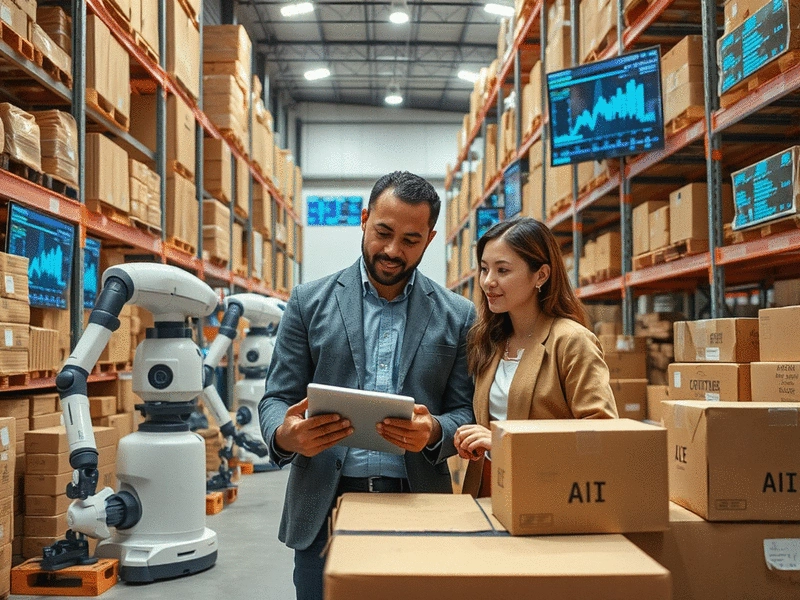
AI-powered robotic arm sorting packages in a warehouse, clean image, no text

Key Benefits of AI Optimization in Supply Chains

Integrating AI into supply chains provides a multitude of benefits that contribute to overall success. Some of the most significant advantages include:

  • Reduced operational costs by optimizing resource allocation.
  • Improved customer satisfaction through faster response times.
  • Enhanced forecasting accuracy, leading to better inventory management.

These benefits not only enhance operational efficiency but also foster a stronger connection between businesses and their customers. As a passionate advocate for the ethical advancement of AI, I firmly believe in its potential to create positive change in various sectors, including supply chain management. For instance, the role of AI in developing resilient supply chains is becoming increasingly crucial for global stability.

Integrating Machine Learning for Predictive Analytics in Supply Chains

Machine learning, a subset of AI, is particularly effective in analyzing vast amounts of data to forecast future trends. By applying predictive analytics, businesses can:

  • Anticipate demand fluctuations, allowing for more strategic inventory decisions.
  • Identify potential disruptions in the supply chain before they escalate.
  • Optimize logistics and distribution strategies based on predictive modeling.

These capabilities empower companies to act proactively rather than reactively, significantly enhancing their resilience in a fast-paced environment. As we continue to explore the potential of AI, it’s clear that adapting these technologies in supply chains is not just advantageous but essential for long-term success! The World Economic Forum highlights the transformative impact of AI on supply chains, suggesting it will be a key driver of future economic growth.

Pro Tip

To maximize the benefits of AI in your supply chain, consider integrating AI tools that offer real-time data analytics. This will not only improve decision-making but also enhance your ability to respond rapidly to market changes, ultimately driving greater efficiency and customer satisfaction.

Evaluating the Long-Term ROI of AI in Supply Chain Solutions

When considering the implementation of AI in supply chains, it's crucial to evaluate the long-term Return on Investment (ROI). Businesses today are looking for ways to not only enhance efficiency but also to ensure that their investments yield significant benefits over time. This means diving into the metrics and understanding the full impact AI can have.

Many organizations focus solely on initial costs, but a comprehensive approach includes examining various factors such as operational improvements, cost reductions, and customer satisfaction. By measuring these elements, businesses can gauge the real success of AI initiatives in the supply chain.

Measuring Success: Key Performance Indicators and Metrics

To truly understand the effectiveness of AI in your supply chain, you need to establish concrete metrics. Here are some key performance indicators (KPIs) to consider:

  • Order Fulfillment Rate: Measures the accuracy of order delivery.
  • Inventory Turnover: Indicates how efficiently inventory is managed.
  • Cost per Order: Evaluates the cost-effectiveness of order processing.
  • Lead Time: Tracks the time taken from order placement to delivery.

By focusing on these KPIs, businesses can not only quantify improvements but also identify areas needing further enhancements. The clearer your metrics, the easier it is to communicate success across your organization!

Modern dashboard displaying supply chain KPIs with graphs and charts, clean image, no text

Addressing Integration Challenges with Legacy Systems

Integrating AI with existing legacy systems can feel daunting. Many businesses, like Positive About AI, understand that while challenges exist, they can be overcome with a thoughtful approach. Here are some strategies for a smooth integration:

  • Assess Current Systems: Evaluate the capabilities and limitations of your existing infrastructure.
  • Prioritize Scalability: Choose AI solutions that can grow with your business needs.
  • Engage Stakeholders: Involve employees from various departments to ensure alignment and buy-in.

When businesses address these challenges early, they set themselves up for a successful AI implementation that enhances overall operational efficiency.

Data-Driven Decisions: Enhancing Operational Efficiency and Cost Reduction

One of AI's most significant advantages is its ability to provide data-driven insights. By leveraging AI, businesses can make informed decisions that enhance operational efficiency. Here’s how:

  • Predictive Analytics: Anticipates demand and optimizes inventory levels.
  • Real-Time Data Access: Improves responsiveness and adaptability in dynamic markets.
  • Cost Analysis: Identifies areas of wastage and recommends cost-reduction strategies.

These benefits not only streamline operations but also lead to impressive cost reductions over time. As a business owner, I’ve seen firsthand how data-driven decision-making empowers teams to function more effectively, paving the way for sustainable growth. The Defense Logistics Agency (DLA) highlights the utilization of AI to illuminate supply chain risk, demonstrating AI's critical role in informed decision-making.

Frequently Asked Questions About AI in Supply Chain Management

Here are some common questions about integrating AI into supply chain management:

Q: What are the main benefits of using AI in supply chain management?
A: AI significantly enhances efficiency through automation, real-time data analysis, and improved visibility. It also leads to reduced operational costs, improved customer satisfaction, and enhanced forecasting accuracy.
Q: How does machine learning contribute to supply chain optimization?
A: Machine learning, a subset of AI, is crucial for predictive analytics. It helps businesses anticipate demand fluctuations, identify potential disruptions proactively, and optimize logistics and distribution strategies.
Q: What are some key performance indicators (KPIs) to measure AI success in supply chains?
A: Important KPIs include Order Fulfillment Rate, Inventory Turnover, Cost per Order, and Lead Time. These metrics help quantify improvements and identify areas for further enhancement.
Q: What are the main challenges when integrating AI with existing legacy systems?
A: Challenges include assessing the capabilities and limitations of current infrastructure, prioritizing scalability for future growth, and ensuring all stakeholders are engaged and aligned with the AI implementation.
Q: How can businesses start implementing AI tools in their supply chain?
A: Businesses should begin by assessing their current processes to identify pain points, choosing AI solutions that align with their specific needs, and adopting a gradual approach by implementing AI in one area before scaling up.

Concluding Insights and Next Steps for Businesses

As we look toward the future of AI in supply chains, it’s essential for businesses to consider actionable steps. Understanding how to implement AI tools effectively can make all the difference.

How to Start Implementing AI Tools in Your Supply Chain

To begin integrating AI into your supply chain, follow these initial steps:

  • Assess Your Current Processes: Identify pain points that AI could address.
  • Choose the Right Tools: Research AI solutions that align with your business needs.
  • Start Small: Implement AI in one area before scaling up.

By taking a gradual approach, businesses can effectively monitor progress and adjust their strategies as needed!

Encouraging Sustainable Practices and Ethical Considerations in AI Usage

At Positive About AI, we believe that with great power comes great responsibility. As you implement AI, consider the ethical implications and strive for sustainable practices. This not only builds trust but also enhances your brand reputation.

  • Transparency: Be open about how AI is used within your operations.
  • Data Privacy: Ensure that customer data is handled responsibly.
  • Environmental Impact: Aim for AI solutions that promote sustainability.

Creating a responsible AI strategy lays the groundwork for a positive future where technology and ethics go hand in hand.

Fostering Supplier Collaboration for Continuous Improvement in Processes

Finally, fostering collaboration with suppliers can significantly enhance your supply chain. By building strong relationships, businesses can create a feedback loop that encourages continuous improvement.

  • Regular Communication: Maintain open lines to discuss challenges and opportunities.
  • Joint Training Programs: Equip suppliers with knowledge about AI tools.
  • Shared Goals: Align objectives with suppliers to enhance overall performance.

This collaborative approach not only boosts efficiency but also strengthens the entire supply chain ecosystem, ensuring everyone thrives together!

Recap of Key Points

Here is a quick recap of the important points discussed in the article:

  • AI enhances efficiency by automating routine tasks and providing real-time data analysis.
  • Key benefits of AI include reduced operational costs, improved customer satisfaction, and enhanced forecasting accuracy.
  • Machine learning is vital for predictive analytics, helping businesses anticipate demand and identify potential disruptions.
  • Measuring success requires establishing key performance indicators (KPIs) such as order fulfillment rate and inventory turnover.
  • Integration challenges can be addressed by assessing current systems and prioritizing scalability.
  • Data-driven decisions empower businesses to enhance operational efficiency and reduce costs.
  • Ethical considerations in AI usage are essential for building trust and ensuring responsible practices.
  • Supplier collaboration fosters continuous improvement and strengthens the supply chain ecosystem.
About !author

Elena R. Caldwell

Elena R. Caldwell is a passionate advocate for the ethical advancement of artificial intelligence. With a background in technology journalism and an extensive understanding of emerging AI trends, she is dedicated to showcasing the positive impact of AI across industries. Through her work at Positive About AI, Elena aims to foster a deeper understanding of intelligent technologies, ensuring they are perceived as transparent and empowering tools for the future.


Popular Posts

AI Governance for Business Growth How AI Governance Can Drive Competitive Advantage and Innovation In an era where technology evolves at breakneck speed, the role of AI governance is more critical th
AI Technology: Trends and Innovations The future of AI technology: Emerging trends and innovations As we venture into a future increasingly shaped by artificial intelligence, it’s vital to understa
AI in Marketing: Real Success Stories The Future of AI in Marketing: Success Stories of AI-Driven Campaigns In an age where technology evolves at an unprecedented pace, the integration of artificial intellige
Implementing AI Responsibly in Business Practical Guide to Implementing AI Innovations Responsibly in Your Organization In a world where technology is rapidly evolving, the importance of ethical considerations in artific