AI's Impact on Disaster Response
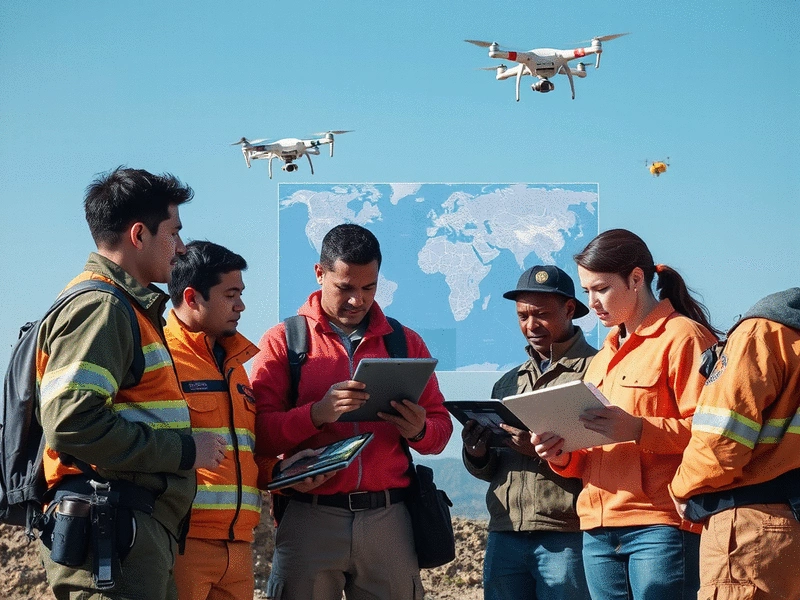
What if a single technology could drastically improve how we respond to emergencies? The integration of artificial intelligence in disaster management is doing just that, transforming traditional methods into efficient, data-driven strategies that save lives. Here’s a glimpse into the key lessons you’ll gain from exploring this powerful intersection.
What You Will Learn
- The evolution of AI in emergency management, from basic analytics to sophisticated real-time data processing.
- How AI improves decision-making and enhances resource optimization during crises.
- The role of machine learning in predicting disaster scenarios and assessing risks effectively.
- Ways AI empowers local communities to enhance their disaster preparedness through tailored solutions.
- The long-term ROI of AI integration, emphasizing efficiency, cost savings, and better decision-making accuracy.
AI's Role in Disaster Management: Key Benefits and Evolution
This visual highlights the transformative impact of AI in disaster management, showcasing its evolution and the key benefits it brings to emergency response strategies.
Evolution of AI in Emergency Management
- 1 Early AI Adoption: Basic data collection & predictive models.
- 2 Machine Learning Emergence: Analyzing patterns in past disasters.
- 3 Real-Time Data Integration: Informing responses with live data.
Key Benefits of AI in Disaster Response
- ✓ Improved Decision-Making: Faster, data-driven choices.
- ✓ Resource Optimization: Effective aid allocation.
- ✓ Enhanced Predictive Capabilities: Proactive disaster prevention.
The Impact of AI on Disaster Management: Understanding Real-World Applications
As we dive into the world of disaster management, it’s crucial to explore how artificial intelligence is transforming response efforts. The integration of AI technology is not just a trend; it’s reshaping how we approach emergencies, making processes faster and more efficient. From predictive analytics to real-time communication, the benefits are substantial.
In this section, I'll guide you through the evolution of AI in emergency management, its key benefits, and how machine learning is revolutionizing strategies in disaster response. Let’s uncover the incredible potential of AI together!
The Evolution of AI in Emergency Management
Historically, the field of emergency management has relied heavily on human intuition and experience. However, with the advancement of AI technologies, we can now leverage data to improve decision-making. The journey began with basic data analytics, but has rapidly progressed to sophisticated algorithms that analyze vast amounts of information in real-time. For a deeper understanding of this evolution, you can explore resources like the National Institutes of Health's perspective on AI in healthcare and disaster management.
- **Early AI Adoption**: Initial use of AI focused on data collection and basic predictive models.
- **Emergence of Machine Learning**: Advanced algorithms began to analyze patterns in past disasters.
- **Integration of Real-Time Data**: AI now uses real-time data from various sources to inform emergency responses.
Understanding this evolution helps us appreciate how far we've come and the exciting possibilities that lie ahead in disaster management.
Key Benefits of Utilizing AI for Disaster Response
AI technologies offer several advantages that enhance both the efficiency and accuracy of disaster response. By utilizing these tools, organizations can significantly improve their operations during crises. Here are some key benefits:
- Improved Decision-Making: AI analyzes data faster than humans, allowing for quicker, more informed decisions.
- Resource Optimization: AI assists in effective resource allocation, ensuring that aid reaches those in need promptly.
- Enhanced Predictive Capabilities: With advanced algorithms, AI can predict potential disaster scenarios, enabling proactive measures.
These benefits not only save time but can also save lives, demonstrating the transformative power of AI in emergency management. The International Telecommunication Union provides further insights into the benefits and ethical considerations of AI for natural disaster management.
Machine Learning and Predictive Analytics in Disaster Management
Machine learning and predictive analytics are at the forefront of modern disaster response strategies. These technologies enable organizations to harness data in ways that were previously unimaginable. By analyzing historical data, machine learning algorithms can identify patterns and predict outcomes in future emergencies.
- **Predictive Models**: Algorithms analyze past disasters to forecast future occurrences.
- **Risk Assessment**: AI helps assess risks associated with certain areas, guiding evacuation plans.
- **Real-Time Adjustments**: Machine learning models adapt and refine their predictions based on new data.
With these capabilities, organizations can better prepare for and respond to emergencies, ultimately leading to more effective disaster management strategies. The OECD has also published findings on the role of AI in law enforcement and disaster risk management, highlighting its growing importance.
Frequently Asked Questions about AI in Disaster Management
- What is AI's primary role in disaster management?
AI transforms traditional disaster response into efficient, data-driven strategies by improving decision-making, optimizing resource allocation, and enhancing predictive capabilities. - How has AI evolved in emergency management?
AI's evolution in emergency management has progressed from basic data collection and predictive models to the emergence of machine learning for pattern analysis and, most recently, the integration of real-time data for immediate response information. - What are the key benefits of using AI for disaster response?
Key benefits include improved decision-making through faster data analysis, optimized resource allocation to ensure aid reaches those in need promptly, and enhanced predictive capabilities for proactive disaster prevention. - How do machine learning and predictive analytics contribute to disaster management?
Machine learning and predictive analytics analyze historical data to forecast future occurrences, assess risks in specific areas to guide evacuation plans, and adapt predictions in real-time based on new data for more effective strategies. - What is the long-term ROI of integrating AI into disaster management?
The long-term ROI includes enhanced efficiency leading to quicker response times, cost savings by reducing waste and optimizing resource allocation, and improved accuracy in decision-making, ultimately saving lives. - How can AI empower local communities in disaster preparedness?
AI empowers communities through real-time data analysis for informed decisions, customized solutions tailored to specific community needs, and training simulations to better prepare local responders.
Engage with Us!
As we explore the role of AI in disaster management, we want to hear from you! What do you think is the most exciting potential for AI in your community's emergency response efforts? Share your thoughts with us below:
Concluding Insights on the Future of AI in Disaster Response
As we explore the transformative potential of AI technologies in disaster management, it's essential to recognize the key takeaways from our discussion. The integration of AI is not merely about improving efficiency; it's about reshaping how we respond to emergencies. Whether through drone technology, predictive modeling, or social media analytics, AI is paving the way for more effective disaster response strategies that save lives and resources.
Emphasizing the importance of collaboration among organizations, community leaders, and technology developers is crucial for maximizing the benefits of AI in this field. We stand at a pivotal moment where the ethical implementation of AI can lead to significant advancements in disaster management.
Looking Ahead: The Long-Term ROI of AI Integration
Speculating on the evolution of AI in disaster response brings us to exciting possibilities for the future. Organizations investing in AI technologies can expect a range of returns on investment, including:
- Enhanced Efficiency: Streamlined processes result in quicker response times during emergencies.
- Cost Savings: Reducing waste and optimizing resource allocation can lead to significant financial savings.
- Improved Accuracy: AI-driven insights can lead to more informed decision-making, ultimately saving lives.
As AI continues to advance, the integration of more sophisticated algorithms will allow for even more precise forecasting and planning. Organizations embracing these technologies now are likely to be at the forefront of innovation in disaster management.
Building Community Resilience through AI Technologies
AI isn't just for large organizations; it's also a powerful tool for empowering local communities. Decision support systems driven by AI can enhance disaster preparedness in several ways:
- Real-Time Data Analysis: Communities can make informed decisions based on live updates during an emergency.
- Customized Solutions: AI can tailor response strategies based on specific community needs and vulnerabilities.
- Training and Resources: AI technologies can provide training simulations to better prepare local responders.
By fostering community resilience through AI, we can ensure that every member is equipped to respond effectively in times of crisis. At Positive About AI, we celebrate the potential of these technologies to create a safer future.
Encouraging Engagement: How Readers Can Contribute to AI Development
We invite our readers to think about how they can contribute to the conversation surrounding AI in disaster management. Your insights and experiences are valuable! Consider sharing how AI applications in your community have made a difference, or what future trends you envision in this field. Let's build a collaborative space where we can all learn and grow together.
As we continue to explore the opportunities presented by AI, remember that your voice matters. Together, we can shape the future of disaster response, ensuring it is efficient, ethical, and human-centered.
Recap of Key Points
Here is a quick recap of the important points discussed in the article:
- AI Evolution: Emergency management has transitioned from human intuition to data-driven decision-making, enabled by AI technologies.
- Key Benefits: AI enhances decision-making speed, optimizes resource allocation, and improves predictive capabilities in disaster scenarios.
- Machine Learning Impact: Machine learning enables real-time adjustments and risk assessments based on historical data, enhancing preparedness and response strategies.
- Community Resilience: AI empowers local communities to customize response strategies and improve disaster preparedness through real-time data analysis.
- Long-Term ROI: Investing in AI technologies can lead to enhanced efficiency, cost savings, and improved accuracy in disaster response.

Elena R. Caldwell
Elena R. Caldwell is a passionate advocate for the ethical advancement of artificial intelligence. With a background in technology journalism and an extensive understanding of emerging AI trends, she is dedicated to showcasing the positive impact of AI across industries. Through her work at Positive About AI, Elena aims to foster a deeper understanding of intelligent technologies, ensuring they are perceived as transparent and empowering tools for the future.
Popular Posts
AI Governance for Business Growth
![How AI Governance Can Drive Competitive Advantage and Innovation]() In an era where technology evolves at breakneck speed, the role of AI governance is more critical th
In an era where technology evolves at breakneck speed, the role of AI governance is more critical th
 In an era where technology evolves at breakneck speed, the role of AI governance is more critical th
AI Technology: Trends and Innovations
![The future of AI technology: Emerging trends and innovations]() As we venture into a future increasingly shaped by artificial intelligence, it’s vital to understa
As we venture into a future increasingly shaped by artificial intelligence, it’s vital to understa
 As we venture into a future increasingly shaped by artificial intelligence, it’s vital to understa
AI in Marketing: Real Success Stories
![The Future of AI in Marketing: Success Stories of AI-Driven Campaigns]() In an age where technology evolves at an unprecedented pace, the integration of artificial intellige
In an age where technology evolves at an unprecedented pace, the integration of artificial intellige
 In an age where technology evolves at an unprecedented pace, the integration of artificial intellige
Implementing AI Responsibly in Business
![Practical Guide to Implementing AI Innovations Responsibly in Your Organization]() In a world where technology is rapidly evolving, the importance of ethical considerations in artific
In a world where technology is rapidly evolving, the importance of ethical considerations in artific
 In a world where technology is rapidly evolving, the importance of ethical considerations in artific
