AI's Impact on Personalized Learning
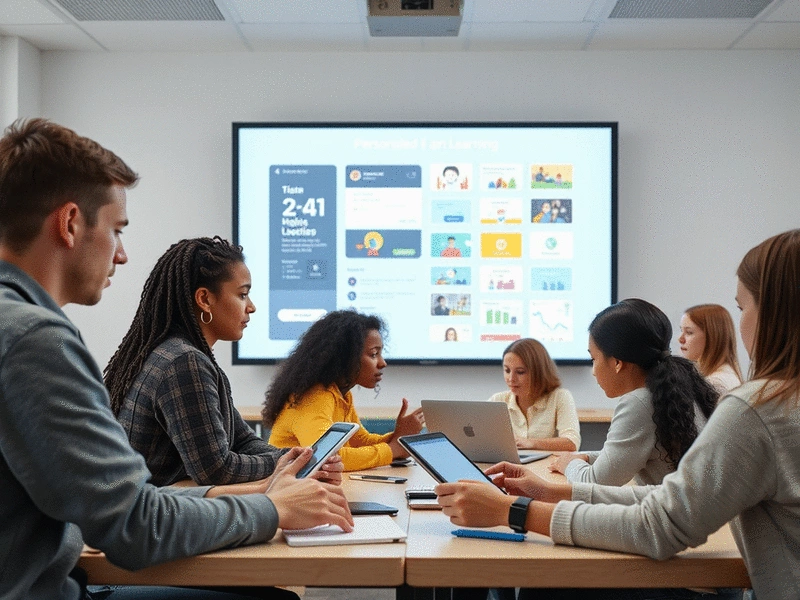
The rapid evolution of technology is reshaping the educational landscape, ushering in a new era where AI personalizes learning experiences for every student. By exploring the innovative applications and future potential of AI in education, we can better understand how to engage and empower learners.
What You Will Learn
- Personalized learning tailors educational experiences to meet the unique needs of individual students.
- AI analyzes student data to create individualized learning plans, enhancing engagement and effectiveness.
- Machine learning technologies enable adaptive learning platforms that adjust content based on student progress.
- Collaboration among educators, policymakers, and tech developers is essential for successful AI integration in education.
- Future expectations include real-time data use, broader access to learning resources, and more interactive environments.
AI in Education: Evolution and Key Components
The journey of educational technology, from traditional methods to AI-driven solutions, has transformed learning experiences. This visual highlights the progression of AI in education and its foundational element: Machine Learning.
Evolution of Educational Technology
Machine Learning in Education
Understanding the Role of AI in Education
As we explore the transformative impact of AI on education, it’s essential to grasp how personalized learning is reshaping the classroom experience. Imagine each student having a tailored educational journey that adjusts to their strengths and weaknesses. This is the promise of AI-powered learning environments, where technology fosters not only academic success but also engagement and enthusiasm for learning!
Personalized learning means that AI can analyze student data to create customized pathways. It allows teachers to focus on individual needs, making lessons more relevant and effective. By integrating AI into education, we can support diverse learning styles and paces, ultimately enhancing the educational experience.
What Does Personalized Learning Mean?
Personalized learning is about more than just technology; it’s about understanding each student as an individual. It involves tailoring educational experiences to meet the unique needs of every learner. Here are some key elements of personalized learning:
- Individualized Learning Plans: Students receive customized curricula based on their interests and skills.
- Flexible Learning Environments: Students can learn at their own pace and in their preferred settings.
- Data-Driven Insights: Teachers use analytics to monitor progress and adjust instruction accordingly.
- Active Collaboration: Students engage in cooperative learning, enhancing their communication and teamwork skills.
This innovative approach not only prepares students for academic success but also equips them with essential life skills that are increasingly vital in a rapidly evolving world. For more detailed insights into AI's role in education, consider exploring resources like the U.S. Department of Education's report on Artificial Intelligence and the Future of Teaching and Learning.
The Evolution of Educational Technology: From Traditional to AI
The journey of educational technology has been remarkable, evolving from basic tools like chalkboards to sophisticated AI systems. In the past, education relied heavily on standardized teaching methods that often left many students behind. However, the introduction of AI is revolutionizing this landscape.
Let's take a closer look at some pivotal stages in this evolution:
- Traditional Methods: Focus on textbooks and lectures, with a one-size-fits-all approach.
- Introduction of Computers: Gradual integration of technology to support research and learning.
- Online Learning Platforms: Emergence of e-learning, allowing access to resources from anywhere.
- AI-Driven Solutions: Personalized learning experiences powered by analytics and adaptive learning technologies.
With AI, we’re not just enhancing existing education systems; we’re fundamentally changing how students learn and how educators teach!
Machine Learning: The Backbone of AI in Education
At the heart of AI in education lies machine learning, which enables systems to learn from data and improve over time without explicit programming. This technology allows educational platforms to analyze vast amounts of student data to identify patterns, predict outcomes, and deliver tailored content. Various research papers, such as those found on PMC through NCBI, delve into the specifics of machine learning applications in educational settings.
Here are some applications of machine learning in education:
- Adaptive Learning Platforms: Adjusts content based on individual student progress.
- Predictive Analytics: Anticipates students' needs and challenges, allowing for timely interventions.
- Feedback Mechanisms: Provides immediate, personalized feedback to students, enhancing learning efficiency.
By leveraging machine learning, we can create smarter educational solutions that not only enhance learning outcomes but also foster a deeper understanding of each student's unique learning journey. As I engage with the community at Positive About AI, I am continually inspired by these innovations that uplift education and create opportunities for every learner.
Pro Tip
Did you know? To maximize the benefits of AI in personalized learning, regularly update and analyze student data. This ensures that AI systems adapt to each learner's evolving needs, fostering a more dynamic and responsive educational environment.
Summarizing the Transformative Power of AI in Education
The integration of artificial intelligence in education has been nothing short of revolutionary. By harnessing the transformative power of AI, educators can create personalized learning experiences that cater to the unique needs of each student. This not only enhances engagement but also fosters a love for learning! It’s exciting to think about how AI can shape the future of education.
As we look ahead, the possibilities for personalized learning are vast. AI tools can help identify individual learning styles, preferences, and areas for improvement, allowing educators to tailor their approaches accordingly. With this shift, we can expect to see significant advancements in student outcomes and overall satisfaction.
The Future of Personalized Learning: What to Expect
When we talk about the future of personalized learning, it’s essential to envision what AI can make possible. Here are some key expectations for the next generation of education:
- Enhanced adaptability of learning materials to meet diverse student needs
- Increased use of real-time data to inform instructional strategies
- Broader accessibility to high-quality educational resources
- More interactive and engaging learning environments
Each of these elements is pivotal to creating an education system that not only promotes academic success but also nurtures emotional and social growth. By embracing these innovations, we can foster a bright future where every student thrives!
Encouraging Stakeholder Collaboration for Successful Implementation
To fully realize the potential of AI in education, collaboration among all stakeholders is vital. From educators and administrators to technology developers and policymakers, everyone has a role to play. Here are some collaborative steps that can enhance the implementation of AI tools:
- Establish partnerships between schools and tech companies to ensure effective tool development
- Conduct workshops that involve teachers in AI tool selection and application
- Encourage ongoing feedback from students to refine AI tools and practices
- Facilitate community engagement to build support for AI initiatives
By encouraging these collaborative efforts, we can create a more cohesive approach to integrating AI into educational frameworks. This, in turn, amplifies the benefits experienced by students and educators alike.
Next Steps for Educators and Institutions
How to Start Implementing AI Tools in Your Learning Environment
Starting the journey towards AI integration doesn’t have to be overwhelming! Here’s a simple roadmap to help educators and institutions dive into the process:
- Assess current educational needs and identify areas where AI can be beneficial.
- Research available AI tools that align with those needs.
- Engage in professional development focused on AI implementation.
- Start small by piloting selected tools in a few classrooms.
- Gather feedback and refine the approach based on results.
Taking these steps ensures that the transition is manageable and rooted in the specific needs of your educational environment. Remember, embracing AI is a journey of continuous improvement! Delving into academic papers on the subject, such as those available on ArXiv, can also provide valuable insights into current research and best practices.
Join the Conversation: Share Your AI Education Experiences
At Positive About AI, we believe in the power of community to drive change. Sharing your experiences with AI in education can help others learn and grow. Whether you've had success stories, challenges, or innovative ideas, your voice matters! Let’s build a dialogue around how AI is reshaping education for the better.
Leveraging Educational Apps for Enhanced Learning Experiences
Finally, let’s not forget the wealth of educational apps available that utilize AI to enhance learning. These applications can offer interactive lessons, track progress, and engage students in ways that traditional methods may not. Here are some popular categories of educational apps to explore:
- Language learning apps that adapt to individual progress
- Math apps providing personalized problem sets
- Science simulations that allow for hands-on experimentation
- Reading applications that encourage comprehension through tailored content
By integrating these tools, we can create an enriching learning environment that motivates students to reach their full potential. The future is bright with AI, and I’m excited to see how we all contribute to this transformation!
Frequently Asked Questions About AI in Education
What is personalized learning in the context of AI?
Personalized learning uses AI to tailor educational experiences to each student's unique needs, strengths, and weaknesses. This involves creating individualized learning plans, adapting content, and providing customized feedback based on data analysis.
How does machine learning contribute to AI in education?
Machine learning is the foundation of AI in education, enabling systems to learn from student data without explicit programming. It powers adaptive learning platforms, predictive analytics for early intervention, and personalized feedback mechanisms, making educational tools smarter and more effective.
What are the key benefits of integrating AI into education?
Key benefits include enhanced student engagement, improved academic outcomes through tailored instruction, broader accessibility to educational resources, and more interactive learning environments. AI helps educators understand individual student needs better and adapt their teaching strategies accordingly.
Why is stakeholder collaboration important for AI implementation in schools?
Successful AI implementation requires collaboration among educators, administrators, technology developers, and policymakers. This ensures that AI tools are effectively developed, integrated, and supported, leading to widespread acceptance and maximized benefits for students and institutions.
What should educators consider when starting to implement AI tools?
Educators should assess their current needs, research relevant AI tools, engage in professional development, start with small pilot programs, and continuously gather feedback to refine their approach. This methodical process ensures a smooth and effective integration of AI into the learning environment.
Recap of Key Points
Here is a quick recap of the important points discussed in the article:
- AI enables personalized learning experiences tailored to individual student needs.
- Key elements of personalized learning include individualized plans, flexible environments, and data-driven insights.
- Machine learning forms the backbone of AI in education, enhancing adaptive learning platforms and providing predictive analytics.
- Collaboration among educators, tech developers, and policymakers is essential for successful AI implementation in schools.
- The future of education is promising with AI, offering greater adaptability, accessibility, and engagement in learning environments.

Elena R. Caldwell
Elena R. Caldwell is a passionate advocate for the ethical advancement of artificial intelligence. With a background in technology journalism and an extensive understanding of emerging AI trends, she is dedicated to showcasing the positive impact of AI across industries. Through her work at Positive About AI, Elena aims to foster a deeper understanding of intelligent technologies, ensuring they are perceived as transparent and empowering tools for the future.
Popular Posts
AI Governance for Business Growth
![How AI Governance Can Drive Competitive Advantage and Innovation]() In an era where technology evolves at breakneck speed, the role of AI governance is more critical th
In an era where technology evolves at breakneck speed, the role of AI governance is more critical th
 In an era where technology evolves at breakneck speed, the role of AI governance is more critical th
AI Technology: Trends and Innovations
![The future of AI technology: Emerging trends and innovations]() As we venture into a future increasingly shaped by artificial intelligence, it’s vital to understa
As we venture into a future increasingly shaped by artificial intelligence, it’s vital to understa
 As we venture into a future increasingly shaped by artificial intelligence, it’s vital to understa
AI in Marketing: Real Success Stories
![The Future of AI in Marketing: Success Stories of AI-Driven Campaigns]() In an age where technology evolves at an unprecedented pace, the integration of artificial intellige
In an age where technology evolves at an unprecedented pace, the integration of artificial intellige
 In an age where technology evolves at an unprecedented pace, the integration of artificial intellige
Implementing AI Responsibly in Business
![Practical Guide to Implementing AI Innovations Responsibly in Your Organization]() In a world where technology is rapidly evolving, the importance of ethical considerations in artific
In a world where technology is rapidly evolving, the importance of ethical considerations in artific
 In a world where technology is rapidly evolving, the importance of ethical considerations in artific
