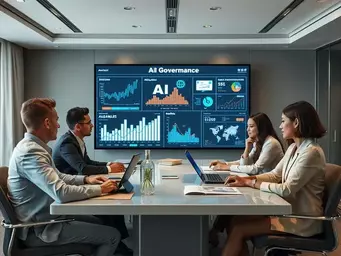
As we venture into a future increasingly shaped by artificial intelligence, it’s vital to understand the trends and implications of these technologies. Consider how AI is transforming not just industries, but also the very fabric of our daily lives. Embracing these changes can empower us to harness the full potential of intelligent technology.
What You Will Learn
AI enhances efficiency by automating repetitive tasks, freeing humans for strategic roles.
Machine learning is crucial for predictive analytics, streamlining processes, and improving user experiences.
Natural Language Processing transforms user interactions through chatbots and sentiment analysis.
Global disparities in AI adoption highlight the need for equity in access to technology and education.
AI fosters new job categories, emphasizing the importance of reskilling and collaboration in the workforce.
Engaging with AI communities and staying informed can position you as a leader in the evolving landscape.
Key Trends Shaping AI Technology Towards 2026
Positive About AI highlights the critical advancements and strategic shifts expected in the AI landscape by 2026. These trends emphasize AI's evolving role in various sectors, focusing on ethical considerations, workforce transformation, and global adoption efforts, as detailed in reports like the AI Research and Development Progress Report.
AI Evolution: From Current to Future
The AI landscape is rapidly evolving, moving from current adoption and ethical focus towards addressing global disparities and workforce transformation. Machine Learning and NLP are foundational to these shifts.
Current AI Landscape
• Increased Adoption
• Focus on Ethics
• Collaborative AI
Long-Term Implications
• Addressing Global Disparities
• Workforce Transformation
• Human-AI Collaboration
Machine Learning's Impact
ML is fundamental to AI's progress, enabling systems to learn, predict, and automate, thus improving user experience across various applications.
▶ Predictive Analytics: Forecasts trends
▶ Automation: Streamlines processes
▶ Improved UX: Personalizes interactions
NLP's Role in Interaction
Natural Language Processing revolutionizes how we interact with technology, making communication more natural and efficient.
▶ Chatbots/VAs: Enhances customer service
▶ Sentiment Analysis: Tailors communication
▶ Content Creation: Aids audience engagement
Engaging with AI Trends
Active participation in the AI journey is crucial for both individuals and businesses. Staying informed and preparing for integration are key steps.
Staying Informed
• Subscribe to AI Newsletters
• Attend Conferences/Webinars
• Join Online Communities
Preparing for Integration
• Assess Business Needs
• Invest in Training
• Implement Gradually
Understanding the Future of AI Technology: Key Trends for 2026
As we look toward 2026, it’s clear that AI technology will continue to be a game-changer across various sectors. At Positive About AI, we believe in highlighting the positive implications and opportunities that arise from these advancements. By understanding the trends shaping our future, we can embrace the transformative power of intelligent technology together!
When we think about AI, it’s not just about the technology itself; it’s about how it impacts our lives, work, and communities. The benefits are significant, and as we delve into the trends for 2026, let’s explore why these developments are so crucial, as further explored in the Stanford AI Index Report.
Why AI Technology is a Game-Changer
AI technology is revolutionizing industries by enabling smarter decision-making, improving efficiency, and fostering innovation. Here are a few reasons why AI is considered a game-changer:
Enhanced Efficiency: AI automates repetitive tasks, allowing humans to focus on more strategic activities.
Data-Driven Insights: AI analyzes vast amounts of data to provide actionable insights that can drive business growth.
Personalization: AI enables companies to tailor products and services to individual customer needs, enhancing user experience.
These factors are critical in a world where adaptability and responsiveness are key to success. As an advocate for ethical AI, I see the potential for these technologies to not only drive business success but also create more fulfilling experiences for users.
Current Landscape: How AI is Evolving Today
The landscape of AI is constantly evolving, driven by advancements in technology and a growing understanding of its capabilities. With each passing year, we witness new applications and improvements that reshape how we work and live. Currently, some notable trends include:
Increased Adoption: More businesses are integrating AI into their operations, recognizing its value in enhancing productivity.
Focus on Ethics: There's a growing emphasis on responsible AI development, ensuring that technologies are used ethically and transparently.
Collaborative AI: AI is not just for tech giants; small businesses are leveraging AI tools to compete effectively.
As we move forward, it’s essential for businesses, particularly those at Positive About AI, to stay informed and engaged with these trends to harness the full potential of AI technologies.
The Role of Machine Learning in Shaping AI Advances
Machine learning (ML) is at the heart of many AI advancements today. It allows systems to learn from data and improve its performance over time. Here’s how ML is shaping the future of AI:
Predictive Analytics: ML algorithms can forecast trends and behaviors, helping businesses make informed decisions.
Automation: By enabling machines to learn, ML streamlines processes, reducing human error and enhancing speed.
Improved User Experience: ML algorithms personalize interactions, making them more relevant for the user.
Understanding the role of machine learning is crucial as we continue to explore innovations. At Positive About AI, we advocate for embracing these technologies responsibly to ensure they benefit everyone.
Understanding Natural Language Processing’s Impact on User Interaction
Natural Language Processing (NLP) is another critical area of AI development that significantly impacts how we interact with technology. It enables machines to understand and respond to human language in a way that feels natural. Key aspects of NLP include:
Chatbots and Virtual Assistants: They enhance customer service by providing instant responses to inquiries.
Sentiment Analysis: Understanding user sentiment allows businesses to tailor their communication and offerings accordingly.
Content Creation: NLP tools assist in generating content, making it easier for businesses to engage with their audience.
This evolution in user interaction not only improves efficiency but also enhances the overall user experience. With NLP, we are closer to creating more human-centered AI solutions that resonate with users, which is at the heart of our mission at Positive About AI.
We Want to Hear From You!
As we explore the future of AI technology, we want to know your thoughts! How do you envision AI impacting your daily life or work in the next few years? Share your insights below:
Looking Ahead: The Long-Term Implications of AI Technology
As we look to the future, understanding the long-term implications of AI technology becomes crucial. At Positive About AI, we believe it’s not just about what AI can do today, but how its evolution will shape our world tomorrow. One of the major considerations is addressing global disparities in AI adoption, which can significantly affect economies and communities, a topic often addressed in publications like the Global AI Research Agenda.
Currently, there is a noticeable gap between regions that are rapidly embracing AI and those that are lagging behind. This disparity in AI adoption can exacerbate existing inequalities, making it imperative for stakeholders to come together and find solutions. By fostering inclusive access to AI technologies, we can enable everyone to participate in this transformative wave.
Addressing Global Disparities in AI Adoption
To effectively tackle the challenge of uneven AI adoption, we must focus on several key areas:
Education and Training: Implementing programs that enhance AI literacy across diverse populations.
Investment in Infrastructure: Supporting developing regions with the necessary technology infrastructure to facilitate AI growth.
Policy Frameworks: Creating regulations that encourage ethical AI deployment while ensuring equitable access.
By addressing these critical aspects, we can work towards a more balanced global landscape where the benefits of AI are shared widely. This collaboration can foster not only economic growth but also social empowerment, ensuring that all communities have a stake in the future.
Anticipating Job Displacement and Workforce Transformation
As AI continues to evolve, it's natural to be concerned about potential job displacement. Many fear that automation may replace human roles entirely. However, it's essential to shift our perspective to see how AI can transform the workforce instead!
While some positions may become obsolete, new opportunities will emerge, particularly in fields demanding human creativity and emotional intelligence. Here are some anticipated changes:
Emerging Job Categories: New roles focused on AI management, ethics, and oversight.
Reskilling Initiatives: Businesses will need to invest in training programs to upskill employees.
Collaboration with AI: Workers will increasingly partner with AI tools, enhancing productivity and creativity.
At Positive About AI, we believe that viewing AI as a collaborator rather than a competitor can lead to innovative solutions and a more engaged workforce. This transformation can be a positive force when managed thoughtfully.
The future of work lies in the synergy between humans and AI technologies. Rather than seeing AI as a replacement, we should embrace it as a tool that complements our skills. This collaboration opens doors to enhanced productivity and innovation!
As we explore this dynamic relationship, consider the following benefits of human-AI collaboration:
Enhanced Decision-Making: AI can analyze data at unprecedented speeds, providing insights that guide smarter decisions.
Increased Efficiency: By automating repetitive tasks, AI frees employees to focus on creative and strategic initiatives.
Improved Customer Experience: AI can help personalize interactions, leading to greater satisfaction and loyalty.
As we move forward, it's vital to nurture this collaboration. By fostering environments that promote human-AI teamwork, we can harness the strengths of both, paving the way for a more innovative and adaptive workforce.
Frequently Asked Questions About AI in 2026
Q1: What are the key trends shaping AI technology towards 2026?
A1: Key trends include the evolution of AI from current adoption and ethical focus to addressing global disparities, workforce transformation, and increased human-AI collaboration. Machine Learning and Natural Language Processing are foundational to these shifts.
Q2: How is Machine Learning impacting AI advancements?
A2: Machine Learning is crucial for predictive analytics, enabling systems to forecast trends and behaviors. It also drives automation, streamlining processes, and improves user experience by personalizing interactions.
Q3: What role does Natural Language Processing (NLP) play in user interaction?
A3: NLP revolutionizes user interaction by enabling machines to understand and respond to human language. This includes enhancing customer service through chatbots, tailoring communication via sentiment analysis, and aiding content creation.
Q4: Why is it important to address global disparities in AI adoption?
A4: Addressing global disparities is crucial to prevent existing inequalities from worsening. Fostering inclusive access to AI technologies through education, infrastructure investment, and ethical policy frameworks ensures that all communities can benefit from AI's transformative power.
Q5: How will AI affect the workforce and job market?
A5: While some job roles may become obsolete due to automation, AI is expected to transform the workforce by creating new job categories focused on AI management, ethics, and oversight. It also emphasizes the importance of reskilling initiatives and human-AI collaboration to enhance productivity and creativity.
Your Role in the AI Journey: Engaging with Emerging Trends
As we navigate this exciting landscape of AI technology, it's essential for you to take an active role. Understanding the trends and adapting to them will not only benefit your organization but also contribute to the collective advancement of society.
At Positive About AI, we encourage you to engage with these emerging trends to stay ahead of the curve. It's not just about observing; it's about participating!
Staying Informed: Follow Industry Leaders and Innovators
Keeping up with the latest in AI means following thought leaders and industry innovators who are shaping the future. Here’s how you can stay informed:
Subscribe to AI Newsletters: These keep you updated on the latest advancements and discussions.
Attend Conferences and Webinars: Engaging with experts provides insights that can inform your strategies.
Join Online Communities: Platforms like LinkedIn and specialized forums allow for networking and sharing knowledge.
By actively seeking knowledge, you can position yourself and your business as informed players in the evolving AI landscape.
Preparing Your Business for AI Integration
Integrating AI into your business requires thoughtful planning and execution. Here are essential steps to consider:
Assess Your Needs: Identify areas where AI can provide the most value.
Invest in Training: Equip your team with the skills they need to work alongside AI tools.
Implement Gradually: Start with pilot programs to test AI applications before a full-scale rollout.
By taking these steps, you can ensure a smoother transition into the AI-driven future, maximizing the benefits while minimizing disruption.
Engaging with AI Communities and Learning Resources
Participating in AI communities can provide valuable support and insights. Explore various platforms to engage with like-minded individuals:
Online Forums: Join discussions on platforms like Reddit or specialized AI forums.
Social Media Groups: Follow AI-focused groups on LinkedIn or Facebook to connect with professionals.
Local Meetups: Attend local events to network and learn from industry experts.
Engagement in these communities only expands your knowledge but also opens up opportunities for collaboration and growth. Together, we can create a more informed and connected network.
Leveraging AI-Driven Insights for Business Decision Making
Integrating AI insights into your decision-making process can significantly enhance your strategies. AI tools can analyze vast amounts of data, revealing patterns and trends that would take humans much longer to discern!
Here’s how you can leverage these insights:
Data-Driven Strategies: Use AI analytics to inform your marketing, sales, and operational strategies.
Predictive Analytics: Anticipate trends based on historical data, allowing for proactive decision-making.
Customization: Tailor offerings based on customer preferences identified through AI analysis.
By making data-driven decisions, you can increase your competitive edge and better serve your customers, ultimately contributing to a thriving business environment.
Final Thoughts on the Future of AI Technology
As we consider the future of AI, it’s clear that the journey ahead is filled with opportunities and challenges. By staying informed and engaged, we can harness the power of AI technology to create a brighter future.
At Positive About AI, we're committed to sharing insights that empower you on this journey. Together, we can navigate the complexities of AI, ensuring that it serves as a beneficial force for all.
Recap of Key Points
Here is a quick recap of the important points discussed in the article:
AI Technology as a Game-Changer: AI enhances efficiency, provides data-driven insights, and allows for personalization in various sectors.
Current AI Landscape: Increased adoption of AI, a focus on ethical development, and collaboration among businesses are shaping the future.
Role of Machine Learning: Machine learning drives predictive analytics, automation, and improves user experiences.
Impact of Natural Language Processing: NLP enhances user interaction through chatbots, sentiment analysis, and content creation.
Addressing Global Disparities: Education, investment in infrastructure, and ethical policy frameworks are crucial for equitable AI adoption.
Workforce Transformation: AI will create new job categories and necessitate reskilling, emphasizing collaboration between humans and AI.
Engagement with AI Trends: Staying informed through newsletters, conferences, and community involvement is essential for adapting to AI advancements.
Elena R. Caldwell
Elena R. Caldwell is a passionate advocate for the ethical advancement of artificial intelligence. With a background in technology journalism and an extensive understanding of emerging AI trends, she is dedicated to showcasing the positive impact of AI across industries. Through her work at Positive About AI, Elena aims to foster a deeper understanding of intelligent technologies, ensuring they are perceived as transparent and empowering tools for the future.
Popular Posts
AI Governance for Business Growth
In an era where technology evolves at breakneck speed, the role of AI governance is more critical th
Positive About AI is dedicated to nurturing trust in intelligent technology by highlighting ethical advancements and real-world benefits. Our mission is to demystify AI and equip you with optimistic insights for a human-centered, AI-driven future.
Discover how AI is revolutionizing healthcare, from early disease detection to personalized treatment plans. The future of wellness is intelligent!
Explore the ethical AI frameworks guiding responsible development. Transparency and accountability are building trust in intelligent technologies.
See how AI is enhancing creativity in industries like design and music, proving that intelligence can inspire innovation, not just automate.
Understand the power of human-AI collaboration. When humans and AI work together, possibilities become limitless, boosting productivity and insight.
Learn about AI's role in sustainable development, from optimizing energy grids to predicting climate patterns. A greener planet, powered by AI.
Demystify complex AI concepts with our clear explainers. We make intelligent technology understandable for everyone, fostering confidence and curiosity.
Dive into real-world case studies showcasing successful AI adoption across diverse industries. Inspiration for your own intelligent journey!
Stay ahead of emerging AI trends. Our thought leadership articles provide insights into what's next and how it impacts your world.
Discover how AI is making education more accessible and personalized, empowering learners worldwide with tailored experiences.
Unpack the benefits of secure and privacy-preserving AI. Building trust starts with ethical design and robust data protection.
Hear compelling success stories of human-AI collaboration. These narratives highlight how intelligent tools amplify human potential.
Learn how AI is being deployed responsibly in business, driving efficiency and innovation while prioritizing human values.
Gain confidence in the future of intelligent technology. We're here to show you how AI can be a positive force for good.
Join a community dedicated to fostering optimism about AI. Share your insights and learn from leaders in ethical AI development.
Ready to embrace the positive impact of AI? Explore our resources and see how intelligent technology can truly empower your future!