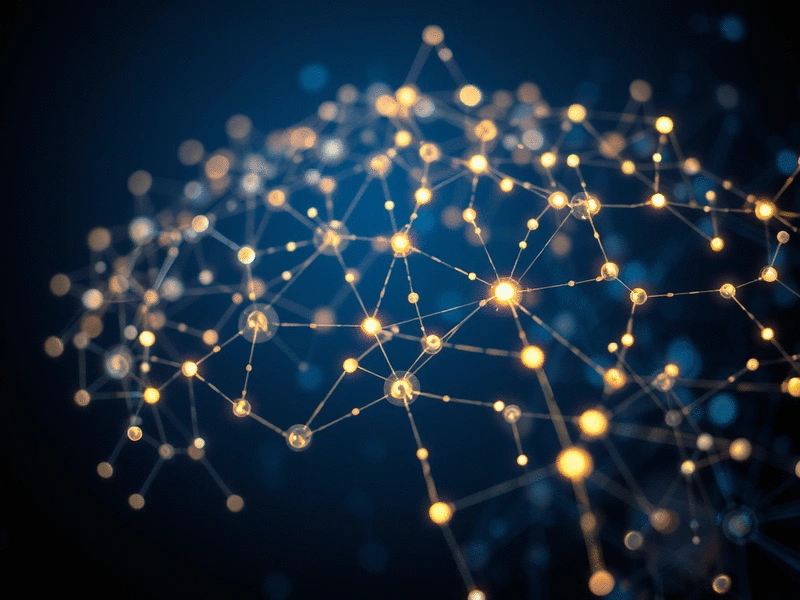
Core Neural Network Structure
1. Input Layer: Data entry point.
2. Hidden Layers: Data processing & transformations.
3. Output Layer: Delivers results.
As we delve into the fascinating world of neural networks, consider how these structures replicate the human brain's intricate processes. By understanding their functionality, we can better appreciate their transformative impact on artificial intelligence and technology.
Understanding the fundamental components and types of neural networks is key to grasping their role in AI. This visual breaks down their core structure and highlights key architectural variations.
When we talk about artificial intelligence, one of the first concepts that comes to mind is neural networks. These powerful tools are at the heart of many AI advancements, helping machines learn from data and make decisions. But what exactly are they, and how do they influence the world of technology today? Let's break it down.
Neural networks are designed to simulate the way human brains process information. By doing so, they enable machines to recognize patterns, understand complex relationships, and eventually produce outputs based on their learning. This is why they play such a crucial role in various applications, from image recognition to natural language processing. Understanding neural networks is vital for anyone interested in the future of AI!
At their core, neural networks are computational models that consist of layers of interconnected nodes. Each node acts like a neuron, processing input and passing its output to the next layer. This structure allows neural networks to learn from vast amounts of data, making them incredibly versatile. For a comprehensive overview, the National Library of Medicine offers valuable insights into neural networks and their applications.
These layers work together to analyze data, revealing insights that can be leveraged across various sectors. As we explore how neural networks mimic brain functionality, it becomes clear why they are so effective!
Neural networks are inspired by the neural connections in our brains. Just as our brains consist of neurons that communicate with one another, neural networks use layers of nodes to process information. Each connection between nodes has a weight, which adjusts over time as the network learns—much like how our brains strengthen synaptic connections based on experience. The MIT News explains this concept further, detailing how neural networks learn and adapt through exposure to data.
This mimicking of brain functionality equips neural networks with remarkable capabilities, enabling them to improve accuracy and performance through learning. From recognizing images to generating human-like text, the possibilities are exciting!
The architecture of a neural network plays a crucial role in its performance. Depending on the application, the number of layers and nodes can vary significantly. Some common architectures include feedforward networks, convolutional neural networks (CNNs), and recurrent neural networks (RNNs). Each serves different purposes and excels in specific tasks. Research published in PMC NCBI highlights the advancements in deep learning models, including various neural network architectures used in medical imaging.
Having a solid grasp of these architectures can help us appreciate the advanced capabilities of neural networks and the impact they have on technology today. As we move forward, understanding how these systems operate will be pivotal for anyone interested in leveraging AI for positive change!
To deepen your understanding of neural networks, consider participating in online coding challenges focused on machine learning. Platforms like Kaggle provide practical scenarios where you can apply your skills, learn from real-world data, and collaborate with a community of learners. This hands-on experience will enhance your grasp of how neural networks function and their applications in various fields.
As we wrap up our exploration of neural networks, it's crucial to emphasize why understanding these frameworks is vital for the future of technology. Neural networks play a transformative role in the development of artificial intelligence, acting as the backbone for many applications that impact our daily lives. From enhancing decision-making processes to powering sophisticated applications in healthcare and finance, the implications are profound.
Being aware of how neural networks function not only enriches our comprehension of AI but also allows us to engage more meaningfully with this evolving field. So, why should you care about neural networks? Here are a few key reasons:
At Positive About AI, I believe that our collective understanding of these technologies will empower us to navigate the future more confidently. By embracing the intricacies of neural networks, we can foster a world where AI serves as a beneficial tool, shaping a landscape ripe with possibilities.
Are you excited to dig deeper into the world of neural networks? Engaging with this technology doesn’t have to be daunting! There are many practical steps you can take to enhance your understanding and skills. Below, I've highlighted some avenues to explore:
By diving into these resources, you can develop a solid foundation in neural networks and their applications. Remember, the journey into AI is ongoing and filled with exciting discoveries. So, let’s take those next steps together and embrace the future of technology!
Here is a quick recap of the important points discussed in the article:
Elena R. Caldwell is a passionate advocate for the ethical advancement of artificial intelligence. With a background in technology journalism and an extensive understanding of emerging AI trends, she is dedicated to showcasing the positive impact of AI across industries. Through her work at Positive About AI, Elena aims to foster a deeper understanding of intelligent technologies, ensuring they are perceived as transparent and empowering tools for the future.